
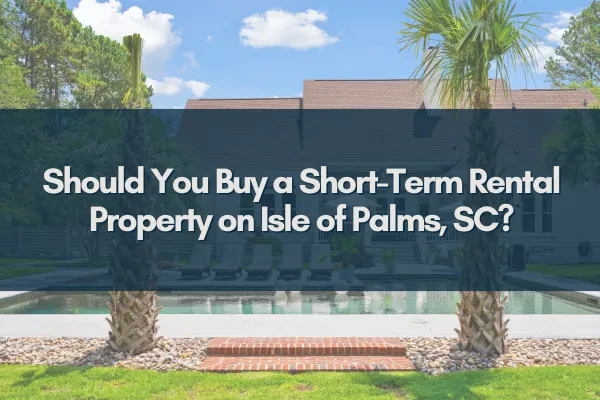
Should You Buy a Short-Term Rental Property on Isle of Palms, SC?
Should You Buy a Short-Term Rental Property on Isle of Palms SC? Local Market Insights for Mount Pleasant, SC Investors
Thinking about diving into the world of vacation rentals? If Isle of Palms South Carolina has caught your eye, you’re not alone. This barrier island in the Charleston area is one of the hot spots for short-term rentals, thanks to its beaches, events, and the vibrant visitor scene. But before you jump in, let’s talk real local insights to help you decide if investing here makes sense for Mount Pleasant area buyers.
Why Isle of Palms Is a Short-Term Rental Magnet
Isle of Palms stands out on the South Carolina coast as one of the strongest markets for vacation rentals. The numbers speak volumes: the median Airbnb host income on IOP is above $100,000 annually. This isn’t just a fluke; it’s driven by consistent demand from Charleston-area visitors. Weddings, beach weekends, golf at Wild Dunes, and year-round events attract visitors who prefer shorter stays, often less than 30 days.
In fact, voters in November 2023 decisively rejected a proposal to cap the number of STR permits island-wide. That means if you buy on Isle of Palms, the likelihood of obtaining a short-term rental license remains high. Compare that to nearby Sullivan’s Island, where short-term rentals under 30 days have been banned since 2002. This regulatory difference makes IOP the most attractive option for investors looking to capitalize on the vacation rental economy.
Investors’ Dream or Cautionary Tale?
The headline figures make Isle of Palms tempting. Think about this – median Airbnb host income here surpasses $100,000 a year, with some properties earning even more. The appeal is clear: a well-located property with a pool, proximity to the beach, and good management can generate substantial income.
But here’s the important part: not all that glitters is easy cash flow. Island living comes with added costs, especially with coastal insurance requirements and zoning restrictions. As a Mount Pleasant investor, understanding the specifics of Isle of Palms is crucial.
Navigating the Regulatory Landscape
The Short-Term Rental Business License
All properties intended for rentals under 30 days require a business license from the Isle of Palms city. There’s no cap on how many licenses the city issues, but each license has requirements.
For investment properties, a full license allowing year-round rentals is necessary. Owners occupying their homes may qualify for a “homestead” license with different rules.
Fees are based on gross rental income from the past year. Expect roughly $450 plus $4.60 per $1,000 earned, which for a property earning $120,000 could be about $1,010 yearly.
Renewal is annually by April 30, and you’ll need to submit rental income documentation. If you manage the property professionally, your management firm can handle renewal paperwork, but budget 20–30% of gross revenue for management fees.
Accommodation Taxes
South Carolina layers taxes at the state, county, and city levels. The total accommodation tax on Isle of Palms can reach approximately 14% of gross rental income. These taxes are typically collected and remitted automatically by booking platforms like Airbnb and VRBO, but always verify that your property manager or platform manages this correctly for IOP specifically.
Cost of Coastal Insurance: What to Expect
Unlike inland areas, owning property on Isle of Palms means dealing with a coastal insurance stack:
Homeowners Insurance: standard policies cover fire, theft, liability but exclude wind and hail damage.
Wind and Hail Insurance: crucial for coastal properties, typically through SC Wind and Hail or private coastal carriers. Premiums range roughly from $2,000 to $8,000 annually, depending on the property’s construction, age, and mitigation features.
Flood Insurance: properties in FEMA flood zones will require flood policies. Oceanfront zones often fall into high premiums, possibly $5,000 to $12,000 per year. Elevation certificates are key to accurate quotes.
Total annual insurance for a typical Isle of Palms investment property could be $4,000 to over $18,000. Always get real quotes before making an offer—underestimating this ongoing cost can seriously impact your return.
Wild Dunes or Not?
The Wild Dunes resort community at the north end of the island has its own HOA rules. Some neighborhoods within Wild Dunes restrict owners to using resort’s rental program, impacting revenue and management flexibility. Outside Wild Dunes, owners typically have more freedom to operate independently.
Before settling on a property, review HOA disclosures thoroughly. This can make or break your rental strategy. If you’re new to the Isle of Palms market, your local expert can help interpret these documents and advise on management options.
What Do the Numbers Say?
The median home price on Isle of Palms in early 2026 is approximately 2.29 million dollars. Homes near the beach, pools, and well-furnished are at premium prices, often above this figure. Entry-level prices start around 900K but oceanfront mansions can top 5 million.
A well-placed, well-managed property in the 1.3 to 1.6 million dollar range can realistically generate 80,000 to 130,000 dollars in gross rental income annually. After expenses like management fees, insurance, property taxes (which for a second home are 6% of assessed value), and licensing, net operating income often falls between 40,000 and 70,000 dollars.
Financing such properties can be challenging at current rates, especially since many investors pay significant cash or use substantial equity. Buying on Isle of Palms requires careful underwriting; understanding full costs and operating limitations is key.
Due Diligence Checklist for Buyers
Before you write an offer, check these important factors:
Zoning: Confirm the property is in a zone allowing short-term rentals (consult city zoning maps — most of the island is STR-friendly).
HOA documents: Review all HOA rules, especially if within Wild Dunes. Confirm restrictions, permits, occupancy caps, and management obligations.
Flood Zone & Elevation Cert: Determine FEMA zone designation, and assess land elevation to estimate flood insurance.
Insurance Quotes: Secure current quotes on homeowners, wind/hail, and flood insurance.
Property Tax: Understand the assessment rate for non-primary residences, which is 6% in South Carolina.
STR Permit History: Verify current license status, past revenue, and compliance history if buying an existing rental.
Partner with a Local Expert
Investing in Isle of Palms short-term rentals isn’t a typical real estate purchase. It involves navigating complex regulations, insurance requirements, HOA rules, and market dynamics. The right local agent can help you identify profitable properties, interpret legal restrictions, and perform all necessary due diligence.
If you’re serious about exploring Isle of Palms as a rental investment, I’m here to help you crunch the numbers and find the best opportunities. Reach out to Kimberly Ritter at 843-202-4180 or [email protected] to start your journey toward a lucrative lease on one of Charleston’s most coveted islands.
For detailed guidelines, check out the comprehensive resource at legacyhomescharleston.com contact or visit legacyhomescharleston.com buyers-guide for investor insights and local market updates.
Ready to explore? Contact Kimberly Ritter today and let's discuss how a short-term rental on Isle of Palms can fit into your investment portfolio.